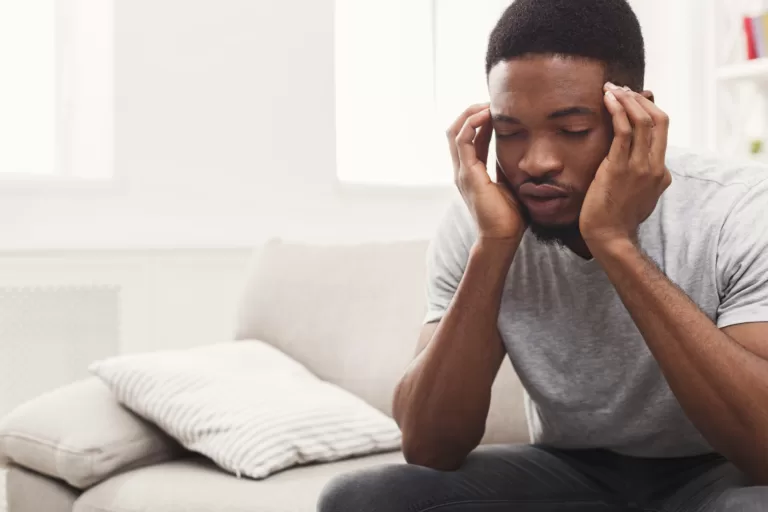
Life can get overwhelming, and it’s normal to feel anxious. Whether it’s due to work, personal challenges, or the uncertainties around us, anxiety can take over our minds and bodies. However, finding simple ways to calm anxiety is crucial for our well-being.
Breathing Techniques
One of the quickest and most effective ways to calm anxiety is through your breath. Taking slow, deep breaths has a powerful impact on your body’s relaxation response.
Deep Belly Breathing: Place one hand on your belly. Take a slow, deep breath in through your nose, allowing your belly to rise. Exhale slowly through your mouth, feeling your belly fall.
4-7-8 Breathing: Breathe in through your nose for 4 counts, hold for 7, exhale through your mouth for 8. Repeat for several rounds.
Box Breathing: Inhale for 4 counts, hold for 4, exhale for 4, hold for 4. Repeat for a few minutes, focusing on the rhythmic breaths.
Alternate Nostril Breathing: Use your thumb to close one nostril, inhale through the other, then switch. Continue alternating for several rounds.
Connecting with the Present
Anxiety often comes from worrying about the future or dwelling on the past. Grounding techniques bring your focus back to the present moment.
5-4-3-2-1 Technique: Name five things you can see, four you can touch, three you can hear, two you can smell, and one you can taste.
Body Scan: Close your eyes and slowly scan from head to toe, paying attention to any physical sensations.
Grounding Objects: Keep a small object in your pocket that you can touch whenever you feel anxious – a smooth stone, anxiety ring, or worry stone.
Grounding through Movement: Go for a walk in nature, do gentle stretching, or practice yoga. Pay attention to the sensations in your body as you move.
Talking Positively
Replace negative or anxious thoughts with positive and reassuring statements. Remind yourself that you are safe, capable, and in control. Repeat affirmations such as “I am calm and in control” or “This feeling will pass.”
Visualizing Calmness
Safe Place Visualization: Imagine a safe and serene place – a beach, forest, or cozy room. Engage your senses fully in this visualization.
Balloon Visualization: Picture your anxiety as a balloon filling with air. As you exhale, visualize it deflating and floating away, taking your worries with it.
Nature Visualization: Visualize yourself in a natural setting that brings tranquility. Let the soothing qualities of nature calm your anxiety.
Relaxing Your Muscles
Progressive Muscle Relaxation (PMR) involves tensing and releasing different muscle groups to promote deep relaxation. Start with your toes, gradually working up to your head. PMR can be particularly helpful before bedtime.
Sharing Your Worries
You don’t have to face anxiety alone. Reach out to trusted friends, family members, or a licensed mental health professional. Talking about your anxieties brings relief and helps you gain new perspectives.
Making Your Environment Relaxing
Your surroundings greatly influence your state of mind. Declutter and organize your space, use soft lighting, incorporate nature elements like plants, choose calming colors, and create a personal sanctuary where you can retreat.
Making Calmness a Daily Practice
Anxiety may be a part of life, but it doesn’t have to control your life. By incorporating calming techniques into your daily routine, you can learn to understand your body and how anxiety affects you. Remember, recovering from anxiety is a journey that requires practice and patience.